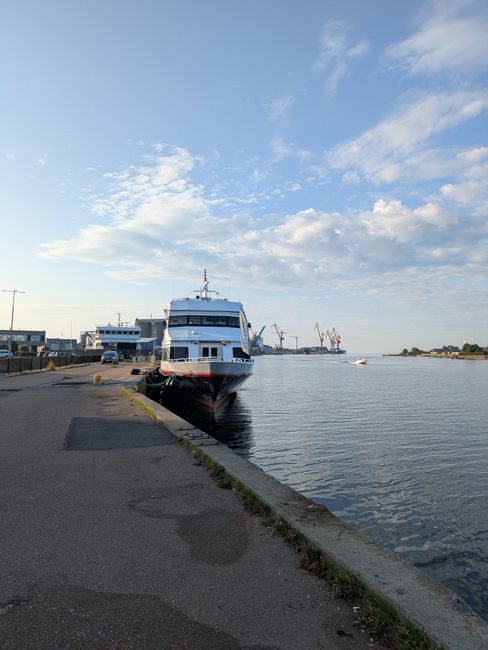
Eastham Ferry terminal waste removal for boat owners: a practical guide
If you keep a boat at or around Eastham Ferry terminal, waste has a way of building up quietly. One day it is a couple of old fenders, the next it is oily rags, broken lines, packaging, a tired battery box, and that awkward pile of "we'll deal with it later" items. Eastham Ferry terminal waste removal for boat owners is really about keeping your vessel, your berth, and the surrounding area clean, safe, and easy to manage without turning every tidy-up into a full weekend headache.
This guide walks through how waste removal works for boat owners, what to separate, what to avoid, and how to choose the simplest, safest route. It also covers the bits people often miss: handling damp waste, storage on board, compliance expectations, and when a normal clear-out becomes a specialist job. To be fair, boat waste is rarely glamorous. But it is manageable once you have a routine.
Why Eastham Ferry terminal waste removal for boat owners matters
Boat waste is different from household rubbish. It gets damp, moves around, picks up salt, and often contains mixed materials in a single bag. That makes disposal harder than it looks. A cracked plastic crate, a dead bilge pump, a few tins of old paint, and some general litter can all sit in one corner until the boat suddenly feels cluttered and harder to use. Then the clean-up feels bigger than it should.
At a busy terminal setting, waste is also a shared-space issue. Boat owners are usually conscious of keeping walkways clear, avoiding smells, and not leaving loose material where wind can catch it. That is not just courtesy. It is part of keeping the terminal orderly and reducing trip hazards, pests, and accidental contamination. Nobody wants to step over a broken bucket and a length of wet rope at the end of a narrow gangway.
There is a simple truth here: the longer boat waste stays on board, the more annoying it becomes. A small clear-out done regularly is usually easier, safer, and cheaper than a big "everything at once" job later on. If you already manage other property or storage clean-ups, the process will feel familiar. Services such as waste removal and recycling and sustainability are useful touchpoints for planning a sensible disposal routine.
How Eastham Ferry terminal waste removal for boat owners works
In practical terms, the process usually starts with sorting. Boat waste is rarely one neat category, so the first step is to separate general rubbish from items that may need special handling. Think cardboard packaging, bottles, soft plastics, food waste, rope, old textiles, electrical bits, and anything oily or potentially hazardous.
Next comes storage. On a boat, space is tight, so waste needs to be contained properly. Sturdy sacks, sealed tubs, and clearly labelled boxes help a lot. If you are dealing with damp items, let them drain where appropriate and keep them away from clean gear. A simple split between dry recyclables, mixed waste, and special waste can save a surprising amount of time later.
Then comes collection or drop-off. Depending on the amount and type of waste, you might use a small one-off clearance, arrange a larger collection, or combine waste removal with another tidy-up. If you have bulkier items, such as worn furniture from a cabin refit or storage area, pages like furniture disposal and furniture clearance can be relevant to the wider job.
For boat owners, the key thing is matching the collection method to the waste type. A few dry bags from a weekend trip are not the same as a mixed load from winter maintenance. That sounds obvious, but people mix them up all the time.
Key benefits and practical advantages
The biggest benefit is probably peace of mind. Once waste is under control, the boat feels more usable. You can get to storage compartments without moving five unrelated items out of the way first. You can clean surfaces properly. And you are less likely to create that "mess breeds more mess" situation that every boat owner knows too well.
There are also practical safety gains. Loose waste can shift in transit, block access, or become a slip hazard if it gets wet. Sharp offcuts, broken fittings, and old metal fragments can cause simple but irritating injuries. On a boat, where you are already managing movement underfoot, that matters more than people sometimes admit.
There is a sustainability angle too. When waste is sorted well, more of it can be handled responsibly. Cardboard, metals, clean plastics, and some appliances may be suitable for separate processing. If your boat has old equipment to remove, you may also find the site's fridge and appliance removal page helpful for understanding how larger items are dealt with.
And then there is time. Truth be told, time is often the real cost. A tidy, well-planned waste removal means less faffing around, less backtracking, and fewer trips carrying awkward bags in the rain. That alone can be worth it.
Who this is for and when it makes sense
This service is relevant for a broad range of boat owners. Some are weekend users who accumulate packaging, food waste, and a small amount of mixed rubbish. Others are liveaboard owners managing regular waste streams from day-to-day use. Then there are owners in maintenance or refit mode, where old fixtures, broken parts, and offcuts appear almost daily.
It also makes sense for:
- owners preparing a boat for sale or handover
- people clearing a berth or storage area after winter
- boats that have become cluttered with unused gear
- owners dealing with bulky or awkward items
- anyone who wants a clean, professional finish before guests arrive
If the boat is also being used as part of a wider business operation, you may need a more structured approach. In that case, business waste removal can be relevant, especially where ongoing waste generation is more commercial than domestic.
A common scenario: a boat owner plans a quiet Saturday tidy-up, only to find the storage locker full of old lines, damp cardboard, rusted fixtures, and a broken portable cooler. Suddenly the job is no longer "take out a few bags". That is exactly when a more organised clearance approach pays off.
Step-by-step guidance
Here is a straightforward way to handle boat waste without creating extra work for yourself.
- Walk the boat slowly. Check cabins, lockers, cockpit storage, under-seat spaces, and any maintenance areas. Small items hide everywhere.
- Sort by type. Separate general waste, recyclables, electrical items, metal scrap, and anything hazardous. Keep it simple, but do not lump everything together.
- Remove liquids and leaks first. If something is damp, oily, or smelly, isolate it. A leaking container in a small space can make the whole boat unpleasant very quickly.
- Bag and box securely. Use strong bags and rigid containers for sharp or brittle waste. Double-bagging can be sensible for messy items.
- Measure the load. A quick visual check helps you judge whether it is a small collection or a more substantial clearance.
- Plan the handover point. Make sure access is clear from the boat to the collection point. Narrow walkways and wet decks are not the place for awkward lifting.
- Choose the right disposal route. General waste, recyclable materials, bulky items, and hazardous materials should not all be treated the same way.
- Confirm what can be taken. If you are unsure about a particular item, compare it against the guidance on what can go in a skip. Even if you are not using a skip, it is a helpful reference point for common waste types.
- Finish with a quick clean. Once waste is gone, sweep or wipe the area. It is easier to keep tidy than to re-clean later. Funny how that works.
If you are dealing with a larger clear-out, especially after repairs or upgrades, it can help to combine waste planning with other tasks such as builders waste clearance. That is especially true if you have timber, offcuts, old panels, packaging, or fittings from maintenance work.
Expert tips for better results
First, do not wait for the boat to become overloaded. Small, routine removals are easier to manage and far less stressful. A tidy-up after each trip, or at least each month during busy periods, keeps the job from snowballing.
Second, think about moisture. Wet waste and dry waste behave differently. Cardboard that has soaked up spray is no longer a neat recyclable pile. Rope, fabrics, and soft packaging can also start to smell if left in a damp locker. Keep anything absorbent separate from clean materials where you can.
Third, label your containers. Even a rough label like "recyclables", "mixed", or "special items" reduces confusion. People often assume they will remember what is in each bag. They usually do not. Not after a windy afternoon and two cups of tea, anyway.
Fourth, handle old batteries, oils, fuel-contaminated materials, and chemicals with more caution than the rest of the load. If there is any doubt, set them aside and get proper advice before mixing them in with general waste. That is one of those small choices that can prevent a much bigger issue later.
Finally, use the job to reset the boat layout. If a locker is always becoming a dumping ground, change the storage system rather than just emptying it. A better habit beats a bigger bin every time.
Common mistakes to avoid
One of the most common mistakes is waiting too long. Boat owners are good at putting off minor jobs because the next trip is "just around the corner". Then the rubbish becomes part of the scenery. A mess gets strangely normal if you see it every day.
Another mistake is mixing waste streams too quickly. General waste, cardboard, sharp scrap, and hazardous items should not all be bundled together. It makes collection more difficult and may limit what can be processed responsibly. It also makes sorting later much more irritating than it needs to be.
Some people overfill bags or use weak containers that split at the worst possible moment. On a boat, a burst bag is more than annoying. It can create a dirty, slippery patch where you least want one. Use proper containers and do not squeeze every last inch out of them.
It is also easy to forget about access. You might have the waste sorted perfectly, but if you have blocked the walkway or left a heavy item in an awkward place, the collection becomes slower and less safe. You want smooth movement from start to finish.
And please, do not assume everything "can just go together" because it is only a small amount. Small amounts still matter. Especially when there is salt, oil, or broken material involved.
Tools, resources and recommendations
You do not need a mountain of equipment for this kind of clear-out. A few sensible basics go a long way.
- Heavy-duty waste sacks for general rubbish and lighter mixed items
- Rigid tubs or crates for sharp or brittle waste
- Labels or marker pens for sorting bags clearly
- Gloves with a good grip for handling rough items
- Dustpan and brush for the final sweep
- Absorbent material for minor spills, where appropriate
If your waste includes heavy household-style items from a boat cabin or berth storage, you may also find it useful to compare services such as house clearance, home clearance, or flat clearance. Those pages are not boat-specific, of course, but the practical logic is similar: remove mixed items efficiently, keep the process organised, and avoid half-finished tidy-ups.
For customers thinking about pricing before booking, pricing and quotes is a sensible page to review. If you want to understand the provider's wider approach, about us is also worth a look. Small detail, but it helps you choose with confidence.
Law, compliance, standards, or best practice
Waste handling in the UK comes with basic legal and best-practice expectations, especially where hazardous or controlled materials are involved. For boat owners, the safest approach is to avoid mixing unknown items into general waste and to keep a clear record of what has been removed if the load contains anything unusual.
You do not need to turn every tidy-up into a paperwork exercise. But you should be careful with items such as oils, chemicals, batteries, fuel-contaminated absorbents, and electrical equipment. These may need separate handling, and the right route depends on the item type and condition. When in doubt, treat it as something that deserves more care, not less.
Best practice also means using a responsible waste provider, keeping access safe during collection, and preventing waste from blowing or washing into the water. That last point sounds obvious, but it is exactly the sort of thing that gets missed in a hurry. A gusty afternoon by the terminal can turn loose packaging into a nuisance in seconds.
If safety and process matter to you, the site's health and safety policy and insurance and safety pages can help reassure you about the standards behind the service. For sustainability-minded owners, recycling and sustainability is a helpful reference too.
Where disputes or concerns arise, it is also good to know there is a clear process. The complaints procedure page is there for exactly that kind of transparency.
Options, methods, or comparison table
Boat owners generally have three practical options: manage waste themselves, arrange a one-off collection, or book a broader clearance. The right choice depends on volume, waste type, and how much lifting you want to do yourself.
| Method | Best for | Pros | Limitations |
|---|---|---|---|
| Self-managed disposal | Small, routine waste from regular boat use | Low cost, flexible, easy for light loads | Time-consuming, awkward for bulky items, sorting still needed |
| One-off waste removal | Mixed rubbish, packaging, light bulky items, periodic clear-outs | Convenient, faster, less lifting and transport hassle | Needs good prep; some items may need special handling |
| Full clearance | Refits, seasonal resets, major decluttering, berth or cabin clean-outs | Most thorough, great for larger messes and awkward loads | More planning, may cost more than a small collection |
For many Eastham Ferry terminal boat owners, the sweet spot is usually somewhere between routine self-management and a one-off collection. Not every job needs a dramatic intervention. Sometimes it is just a few well-organised bags and one sensible visit.
Case study or real-world example
Picture a boat owner who has spent a few months doing weekend trips and minor maintenance. Nothing major. But by the time spring arrives, the storage space contains a mix of old packaging, a cracked storage box, several damp rags, two broken seat cushions, and a small pile of metal fittings that were "too useful to throw out" until they clearly were not.
The first instinct is usually to shove it all into a few bags and move on. That works until one bag tears, the wet items start to smell, and the metal bits scratch everything else in the locker. Instead, the owner sorts the items into three groups: dry mixed waste, bulky soft items, and metal or special items. The result is cleaner, easier to carry, and far less stressful on collection day.
What changed? Not the amount of waste, really. Just the handling. That is the point most people miss. Good waste removal is usually about decisions, not force. Decide what you have, decide what it needs, and the whole process becomes far more manageable.
A small human moment from jobs like this: once the clutter is gone, people often pause and just stand there for a second, looking at the cleared space. Quietly relieved. You can almost hear the boat breathe again. A bit dramatic, maybe. But true.
Practical checklist
Use this checklist before arranging Eastham Ferry terminal waste removal for boat owners.
- Sort waste into general, recyclable, bulky, and special categories
- Separate wet or oily items from dry materials
- Remove sharp items or place them in rigid containers
- Check access from the boat to the collection point
- Keep walkways clear and safe
- Label bags or boxes if there are multiple waste types
- Set aside batteries, chemicals, oils, and contaminated materials
- Confirm which items need extra care
- Review practical disposal guidance before booking
- Do a quick final sweep after the waste is taken away
If your clean-up is bigger than expected, you may want to look at book online to simplify the next step. And if you are checking what the service covers in more detail, what can go in a skip remains a useful guide even outside skip-specific jobs.
Conclusion
Eastham Ferry terminal waste removal for boat owners is really about control. Control over clutter, control over safety, control over how your boat feels to use. Once you build a routine for sorting, storing, and removing waste properly, the whole job becomes much less of a chore.
The best results usually come from simple habits: keep waste separated, deal with damp and hazardous items carefully, and do not let a small pile become a large one. That is the whole game, really. Small habits. Clean deck. Easier days.
If you are planning a tidy-up, comparing options, or clearing a boat after maintenance, take the time to choose the method that fits the load, not just the one that looks quickest. Your future self will be glad you did. And the boat will feel better for it too.
Get a free quote today and see how much you can save.
Frequently Asked Questions
What counts as boat waste at Eastham Ferry terminal?
Boat waste can include general rubbish, food packaging, broken fittings, rope, textiles, cardboard, small electrical items, and sometimes oily or contaminated materials. The exact mix depends on how the boat is used and maintained.
Can I put boat waste in with normal household rubbish?
Some dry general waste may be similar to household rubbish, but not everything should be treated the same way. Wet, oily, sharp, or hazardous items need more careful handling and should not be mixed casually with ordinary waste.
What should I do with old batteries from my boat?
Set them aside separately and do not place them with loose mixed rubbish. Batteries can be damaged easily and need more careful treatment than ordinary waste. Keep them secure until you know the correct disposal route.
How often should boat owners arrange waste removal?
That depends on usage. Weekend boats may only need occasional collection, while liveaboards or busy maintenance projects may need regular clear-outs. A little and often approach usually works best.
Is it better to sort waste before collection?
Yes, absolutely. Sorting beforehand makes removal faster, safer, and more efficient. It also reduces the chance of recyclable or special items being mixed into a load that should have been separated.
What happens if waste is damp or smells bad?
Damp or smelly waste should be isolated and packed carefully. Keep it away from clean gear and dry materials. If possible, store it in a sealed container until it can be removed properly.
Can bulky items like old cushions or cabin furniture be removed too?
Yes, in many cases they can. Bulky cabin items often sit outside ordinary bag waste, so they need a more suitable clearance approach. Furniture-style removal pages are useful if you are dealing with those kinds of pieces.
What is the safest way to move waste off a boat?
Use secure bags or containers, keep paths clear, and avoid carrying unstable loads. If an item is heavy or awkward, it is better to split it down or arrange support rather than forcing it through a narrow gangway.
Do I need to worry about hazardous waste?
If you have chemicals, oils, fuel-contaminated materials, or similar items, yes. Those should be treated with extra care. When in doubt, separate them first and seek the correct disposal route rather than mixing them in with general waste.
How do I know whether a collection or a full clearance is better?
If you only have a few bags and a small amount of clutter, a simple collection may be enough. If the boat has been used for maintenance, storage, or refit work and the waste is mixed and bulky, a fuller clearance is usually the better choice.
Can this help before selling or handing over a boat?
Yes. A proper waste removal makes the boat look cared for and easier to inspect. It also helps you spot what still needs attention, which is useful before sale, handover, or seasonal storage.
Where can I check the provider's wider service information?
You can review the provider's service pages such as waste removal, pricing and quotes, and contact us for more information and next steps.