Recycling and Sustainability — Commercial Waste Removal East Ham
Our East Ham team is committed to delivering eco-friendly waste disposal area solutions for businesses across the borough. Whether you need East Ham commercial rubbish removal or a tailored programme for a high street shop, our emphasis is on reducing landfill, increasing reuse and creating a true sustainable rubbish area for the local economy. This page outlines our targets, local partnerships and practical steps for greener commercial waste services.Our approach to sustainable commercial waste
We combine practical on-site segregation, scheduled collections and waste stream recovery to ensure every tonne is handled responsibly. Commercial Waste Removal East Ham services prioritise materials recovery and support the borough's wider recycling goals. We aim to integrate our collections with Newham's municipal approach while offering extra capacity for businesses with higher recycling needs. Many businesses benefit from simple operational changes: clearly labelled bins, compactors for dry mixed recycling, and separate containers for food and hazardous commercial streams. We provide training and clear signage so staff understand what goes where, reducing contamination and increasing the value of recyclables at transfer and processing sites.
Recycling percentage target
Our measurable objective is a 70% recycling and reuse rate for commercial collections in East Ham by 2030. This target covers diversion from landfill and incineration through improved segregation, partnerships for reuse and targeted processing of construction, electrical and organic wastes. We publish aggregated monthly figures to show progress toward this goal and refine routes and processing to improve performance.To hit that target we rely on a network of local transfer stations and consolidation hubs. Collections from businesses are taken to nearby transfer facilities where loads are bulked and routed to specialist recyclers. Working closely with transfer stations reduces haulage miles and supports our low-carbon collection model.
 Local transfer stations and consolidation centres serve as key nodes in the circular logistics chain. Typical uses include:
- Bulk consolidation of mixed dry recycling before sorting
- Pre-treatment for organic and food waste (in-vessel or anaerobic digestion)
- Temporary staging for bulky items and construction & demolition (C&D) materials
We maintain active partnerships with charities and social enterprises to keep reusable items in circulation. Instead of sending furniture, textiles or working electronics to processing, we route suitable items to local community partners for redistribution. These collaborations support local jobs and community projects while decreasing resource demand for new goods.
Low-carbon vans are central to our sustainable collection strategy. Our fleet includes electric and low-emission hybrid vans for inner-borough rounds alongside optimised routing software that reduces mileage and idling. The combined effect is lower emissions per tonne collected and a smaller operational carbon footprint for commercial waste removal in East Ham.
We also offer bespoke solutions for sectors with special needs — hospitality, retail, offices and light industrial sites — tailoring container sizes, collection frequency and material separation to maximise recovery and minimise costs.
Recycling activity in the area aligns with the borough's broader waste separation initiatives: kerbside-style segregation for paper, card, plastic and cans; separate food waste collections for suitable premises; and specially scheduled bulky item pickups for commercial premises. We provide clear documentation so businesses can align with the borough’s approach to waste separation without disruption to their operations.
Common commercial recycling streams we process include:
- Paper and cardboard — baled and redirected to fibre recyclers
- Plastics and cans — sorted and sent to plastic reprocessors
- Glass — collected separately for remelting or aggregate use
- Food and organic waste — routed to AD plants or composting
- Electricals and WEEE — handled under regulated WEEE processing
- Construction & demolition materials — segregated for reuse and recycling
On-site segregation and clear container allocation are key to meeting high recycling rates. We support trial periods and waste audits so businesses see the operational impact before committing to long-term changes.
Transparency is important: every commercial collection is accompanied by a waste transfer note, and we can provide quarterly environmental reports that detail tonnages, diversion rates and carbon estimates. These records help businesses demonstrate their own sustainability credentials and track progress toward corporate targets.
 Circular economy principles guide our work in East Ham — we aim to keep materials in productive use, repair and redistribute when possible, and process residual streams for material recovery. Collaborations with local authorities, social enterprises and specialist recyclers expand the range of materials that can be reused locally rather than exported or landfilled.
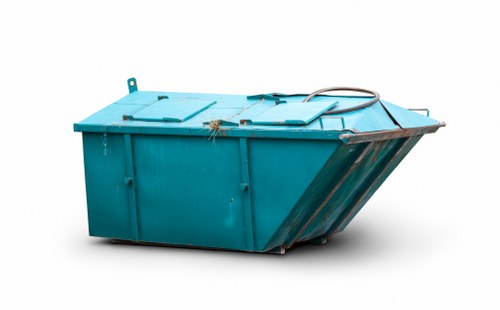 Commitment to the area: Commercial waste removal services in East Ham are continuously refined to support a greener local economy. By combining targeted recycling percentage targets, nearby transfer station integration, strong charity partnerships and a low-carbon vehicle fleet, we help create a resilient, sustainable rubbish area that benefits businesses and the wider community.
