Commercial Waste Removal in East Ham
Commercial waste removal in East Ham should be straightforward, dependable and suited to the way local businesses actually work. Whether you need regular collections or a one-off clear-out, the right service helps keep offices, shops, workshops and shared premises clear of unwanted waste without turning day-to-day trading into a disruption. We handle a practical range of commercial material, with a focus on organised loading, sensible sorting and responsible disposal.
Our work can cover general business waste, office contents, appliance removal and other mixed loads that do not belong in everyday bins. That means you can deal with accumulated items in a way that is tidy, proportionate and easier to plan around. For clients comparing options, the business waste removal page gives a good overview of the kind of commercial collections we provide, while the broader waste removal service covers general clearances and mixed waste jobs.
Two things usually shape a commercial collection: what needs removing and how it is stored or accessed. A back-room stack of office furniture is handled differently from bagged refuse in a yard or heavier items in a storage area. Clear information at the outset helps match the right crew and vehicle to the job, and it also makes the removal process smoother for premises that need to keep operating while waste is taken away.
Business waste collections for everyday premises
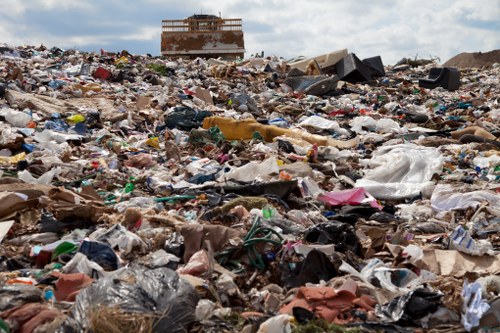
Commercial sites often produce mixed waste streams, from packaging and old stock to worn-out fittings, desks, shelving and damaged equipment. A sensible collection service needs to account for these different materials without forcing the customer to sort everything into impractical categories first. Our approach is built around identifying what can be lifted, what needs separating and what should be directed to specialist handling where appropriate.
For many premises, the most useful option is a focused collection of items that have reached the end of their useful life but still take up valuable floor space. This may include bagged rubbish, broken storage units, redundant counters, display fittings or other bulky commercial clutter. Where you need a more specific service for office contents, the office clearance page sets out how larger workplace items can be removed with less disruption to normal use of the building.
Commercial waste is rarely just one kind of item, so it helps to think in terms of practical groupings. Common examples include:
- paper, card and packaging waste
- broken furniture and fixtures
- obsolete stock or shop fittings
- general mixed rubbish from back-of-house areas
- appliances and other awkward items that need careful handling
Office, retail and light commercial clearances
When businesses are moving, refitting or simply reducing clutter, a clearance service can remove a large amount of unwanted material in a single organised visit. This is useful for offices, studios, shops and smaller commercial units where the same space may need to serve customers, staff and storage at once. The aim is not only to take waste away but to do so in a way that leaves the remaining layout easier to use.
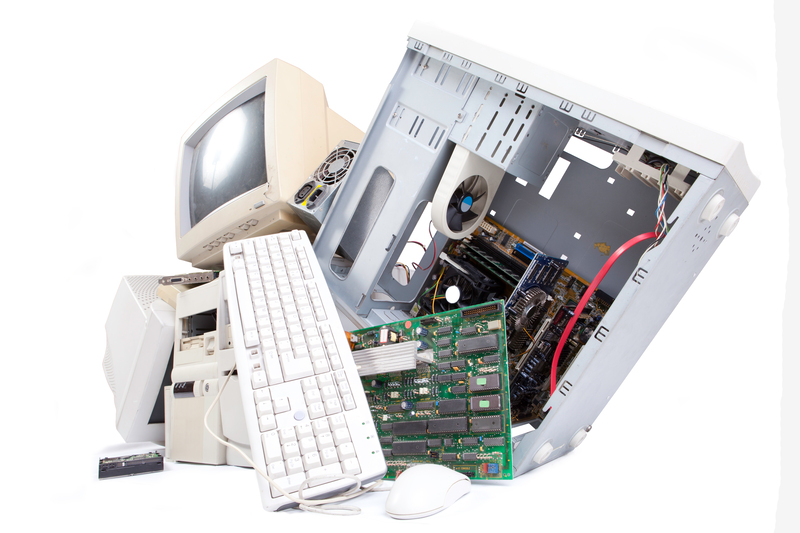
For workplaces, the main challenge is often not the quantity of waste but the mix of items involved. Pedestals, chairs, filing cabinets, monitor stands, packaging, displays and damaged fixtures may all need different handling. Where furniture is the main issue, the furniture clearance page explains a service that focuses on removing larger pieces cleanly, while the furniture disposal page covers items that need to leave the premises rather than be stored, moved or reused.
Good planning reduces friction. If possible, keep heavier pieces accessible, group similar items together and separate anything that requires special attention. A short written list is often enough to show whether the job is a straightforward load of office waste or a more complex clearance involving fittings, appliances and mixed debris. When you are ready, you can request a quotation and explain the items that need taking away.
Clearances for homes, lofts and garages used by businesses
Not every commercial waste job comes from a formal office or shopfront. Some involve home-based businesses, storage at domestic premises, or a property that has been used for mixed residential and work purposes. In those situations, the practical challenge is usually the same: unwanted items have built up and now need removing in a tidy, organised way that suits the available access.
We also handle clearances where the waste is spread across lofts, garages or rooms used for storage rather than customer-facing work. If the job relates more closely to domestic contents than business stock, the home clearance and garage clearance pages may help you understand those separate service types. Where the property contains an attic area with accumulated goods, the loft clearance service is another relevant option, especially when access and lifting need to be considered carefully.
In mixed-use properties, it is sensible to decide which items are part of the job and which should stay where they are. That avoids confusion on the day and helps the load stay manageable. A simple list, a few clear notes about access and any restrictions on parking or loading can make the collection more efficient. If you are unsure how to describe the waste, a brief summary is usually enough to begin.
Bulky items, appliances and specialist disposal

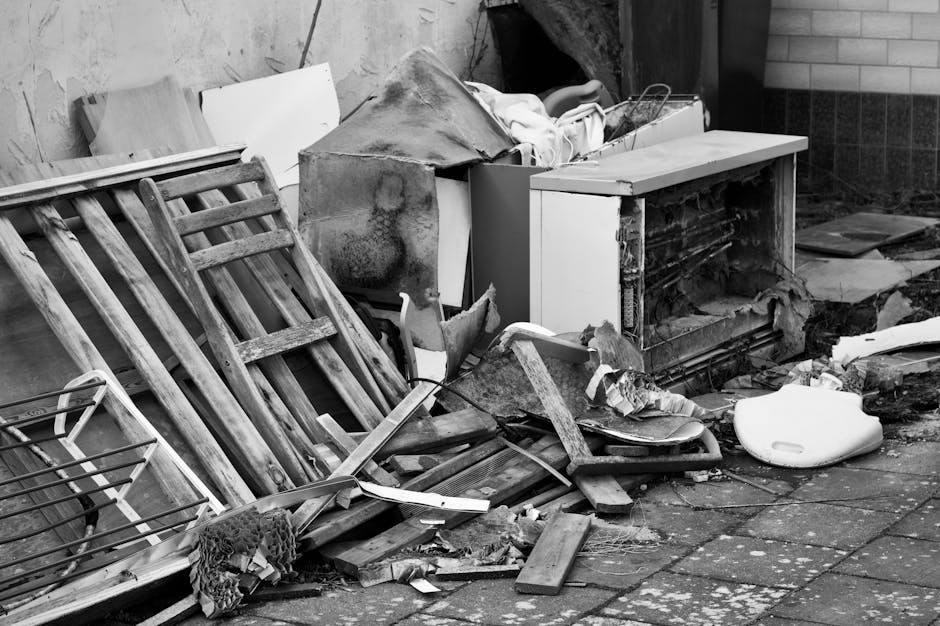
Some commercial waste consists of a few large pieces rather than lots of small bags. Broken appliances, redundant refrigeration units, heavy furniture and worn-out fitted items all need to be moved with care so they can leave the premises safely. The job becomes more complex when items are awkward to turn, too bulky for lifts, or located in places where narrow corridors or stairways affect the removal route.
Where your clearance includes old white goods or cold storage equipment, the fridge and appliance removal page is the most relevant place to look. For larger upholstered items or mattress disposal in business accommodation, the mattress and sofa disposal service covers items that are too bulky for ordinary waste streams. If the main need is simply to clear whatever is no longer wanted, those pages sit alongside our wider commercial collections rather than replacing them.
Specialist items should always be identified early, because they can affect the way the load is organised and separated. A business that can flag out appliances, large furniture or awkward fittings in advance is more likely to receive a quotation that reflects the real work involved. If you are planning a larger purge of mixed waste, that is usually the right moment to ask for a proper quote.
Mixed waste, sorting and responsible handling
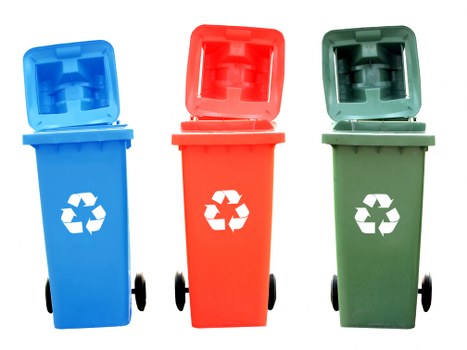
Commercial collections work best when the waste is assessed as a mixture of material types rather than as one undifferentiated heap. That is important because some items are suitable for recycling routes, some are best recovered as reusable material, and others must go through disposal channels. A careful service makes those distinctions practical for the customer without requiring an elaborate sorting exercise on site.
Our removal work is designed to keep this process clear and orderly. If you are considering a more selective approach to waste streams, the recycling and sustainability page explains the value of separating materials where that is useful, and the hazardous waste disposal page is relevant where a load contains items that should not be handled as ordinary commercial rubbish. Those pages sit alongside, not instead of, standard business collections.
For many customers, the key decision is whether a job is a routine clearance or one with additional handling requirements. Once that is clear, it is easier to plan access, working order and any separation needed before the collection begins. We keep the process practical, with enough structure to manage the waste properly and enough flexibility to cope with mixed premises and varied item types.
About East Ham
East Ham is a district in the London Borough of Newham, in east London, and it has long been shaped by movement, rebuilding and dense urban growth. Its history stretches back to a medieval settlement, yet much of the area seen today reflects later Victorian and Edwardian expansion linked to rail travel, industry and the wider development of the East End. The district centre around East Ham Station and the High Street forms a busy urban corridor, while residential streets extend outward in a fine-grained pattern of terraces and interwar housing. East Ham Town Hall is one of the area’s most recognisable civic buildings, standing as a reminder of the period when local government architecture expressed municipal confidence and a growing suburban population. The area also sits near larger green and open spaces, with Central Park providing one of Newham’s important public parks and East Ham Nature Reserve offering quieter habitat close to the urban fabric. In a wider local context, East Ham is connected by the Underground and buses to neighbouring parts of east London, and the district’s streets show a mix of shops, community facilities, religious buildings and everyday housing that reflect its long-standing role as a lived-in, working part of the city rather than a ceremonial centre. Its character is shaped less by grand landmarks than by that combination of ordinary but durable urban elements: the high street, the station, civic buildings, places of worship and the steady layering of housing from different periods.
Commercial waste planning for occupied premises
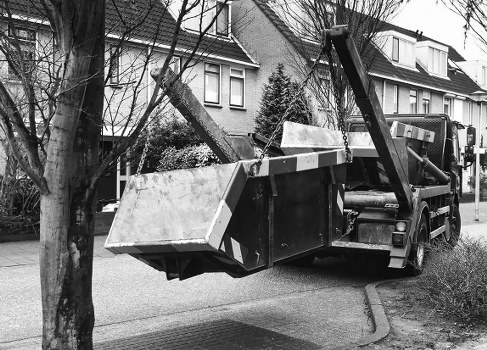
For many businesses, the main question is how to remove waste without interrupting trading, staff movement or customer access. A sensible plan looks at where items are stored, when they can be moved and whether any areas need to stay clear until the collection is complete. This is especially useful in shared buildings, back-of-house storage spaces and smaller premises where waste has gathered around normal operations.
Two pieces of information are particularly helpful when arranging a quotation: the approximate volume of waste and the practical access to it. If the items are on upper floors, in tight storage rooms or behind fixed equipment, that changes the work involved. If you need a service for a particular kind of contents removal, the flat clearance and house clearance pages describe related clearance work that may suit mixed-use or converted premises, while the builders waste clearance page is relevant for debris left after alterations or small works.
When you contact us for a quote, it helps to mention the item types, any access restrictions and whether the waste is already grouped together. That is usually enough to start the process. If more detail is needed, it can be added afterwards, but the first estimate is often clearer when the main points are set out simply and directly.
Useful service options for businesses
Different premises create different waste patterns, so it is worth matching the service to the nature of the job rather than choosing on name alone. An office may need a clearance of desks and screens, while a retail unit may need shelving, packaging and back-room clutter removed. A storage area might contain mixed items that need a more general removal plan. The point is to choose the collection that fits the actual waste, the available space and the speed at which the premises need to be made usable again.
Where the work involves paperwork or confidential material, the confidential shredding page is a useful related service, especially for files and records that should not simply be thrown away. If you prefer to understand collection costs and quotation structure before making an enquiry, the pricing and quotes page gives a useful commercial overview. For customers who want to arrange a collection online, the book online page provides another route into the service.
Not every job needs the same level of preparation, but a bit of forethought helps the removal run smoothly. Think about what is staying, what is leaving and whether any items need to be separated before the crew arrives. That small amount of organisation usually makes the difference between a routine collection and a more awkward clear-out.
Practical steps before a quotation

For a quotation to be meaningful, it helps to provide enough information for the waste load to be understood properly. The most useful details are the type of waste, the amount involved and the location of the items within the premises. If you have several categories of waste, say so; if the items include furniture, appliances or heavier contents, mention those separately. This keeps the quote grounded in the real work rather than a vague description.
It can also help to note whether the clearance needs to happen in stages or all at once. Some premises prefer waste taken from a single area, while others need different rooms or storage zones cleared in sequence. Keep the description factual and concise, and if you are unsure about the right service, a short explanation is usually enough to point you towards the most suitable option. For larger or more sensitive collections, this is the moment to ask for a quotation.
Request a quotation for commercial waste removal in East Ham today. If you already know the main items, the access conditions and the approximate amount to be removed, we can use that information to prepare a clear response and help you move from cluttered space to a workable one without unnecessary delay.