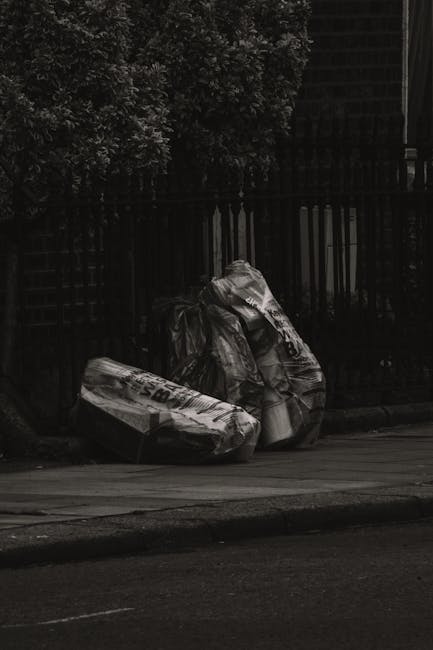
Eastham Rake station bulky rubbish pickup explained
If you have ever stood at Eastham Rake station looking at a sofa, a broken wardrobe, or a pile of bagged junk and thought, "Right, what happens now?", you are in the right place. Eastham Rake station bulky rubbish pickup explained is really about making sense of the simplest, safest way to clear large items without turning your day into a logistical headache. The tricky bit is that bulky waste is not the same as everyday rubbish. It needs planning, the right handling, and a disposal route that fits the item, the site, and your timetable.
This guide breaks it all down in plain English. You will learn how bulky rubbish pickup works near the station, what items are usually involved, what to avoid, how to prepare, and when a professional clearance service can save you time, effort, and a fair bit of stress. Let's face it, nobody wants to drag a mattress across a wet pavement at 8 a.m. if there's a smarter option.
Table of Contents
- Why Eastham Rake station bulky rubbish pickup explained Matters
- How Eastham Rake station bulky rubbish pickup explained Works
- Key Benefits and Practical Advantages
- Who This Is For and When It Makes Sense
- Step-by-Step Guidance
- Expert Tips for Better Results
- Common Mistakes to Avoid
- Tools, Resources and Recommendations
- Law, Compliance, Standards, or Best Practice
- Options, Methods, or Comparison Table
- Case Study or Real-World Example
- Practical Checklist
- Conclusion
- Frequently Asked Questions
Why Eastham Rake station bulky rubbish pickup explained Matters
Bulky rubbish pickup matters because large items create practical problems long before they become an eyesore. A single sofa can block a hallway. A pile of old office chairs can make a flat awkward to move through. And if you are near a station, timing matters even more: foot traffic, limited waiting space, narrow access points, and the general "rush hour energy" around transport hubs can make a straightforward job feel a bit fiddly.
For households, landlords, commuters, and local businesses, the main issue is not just disposal. It is making sure the collection is safe, efficient, and suitable for the item. Some things can be taken with general waste removal, while others need specialist handling. Fridges, for example, are a different conversation altogether, and so are mattresses, old furniture, or anything that could damage the environment if dumped improperly. If you need broader clearance help, services such as waste removal and furniture clearance are often the most relevant starting points.
There is also the trust factor. People want to know that what leaves their property does not end up fly-tipped down some lane or tucked behind another building. A proper pickup helps reduce that risk. It is simple, but it matters. Quite a lot, actually.
Practical takeaway: bulky rubbish pickup is not just about "getting rid of stuff". It is about choosing the right disposal method, keeping access safe, and making sure items are handled responsibly from start to finish.
How Eastham Rake station bulky rubbish pickup explained Works
At a basic level, bulky rubbish pickup follows a simple sequence: identify the items, decide what can be collected, arrange the timing, prepare access, and then load everything for disposal or recycling. The details depend on the type and volume of waste, and whether the job is residential, commercial, or somewhere in between.
1. Start with an item check
Not every large item is treated the same way. A worn dining table is usually straightforward. A broken appliance may need a different route. Hazardous materials should never be mixed in casually with standard bulky waste. If you are unsure, it is better to pause and ask than to assume. That small bit of caution saves hassle later.
2. Estimate how much needs moving
One cabinet is easy to picture. Seven cabinets, two desks, a dismantled bed frame, and a few bags of mixed clutter is a different story. The volume affects the labour, vehicle space, and price. If you are comparing options, pricing and quotes can help you understand how jobs are usually assessed.
3. Arrange a collection method
Depending on the size of the load, the pickup may be carried out as a one-off bulky waste collection, a full van clearance, or part of a wider home, flat, garage, or office clearance. That is where pages like home clearance, flat clearance, and office clearance become useful if the job is broader than a few items.
4. Make the site ready
Before the team arrives, access should be as clear as possible. Move small obstacles, check stairways, and think about lift access if relevant. A few minutes of prep often saves a lot of back-and-forth. If the area around Eastham Rake station is busy, timing the collection to avoid peak movement can make the pickup smoother. You notice it immediately: less waiting, less shuffling, fewer awkward pauses in the street.
5. Load, sort, and dispose
Once collected, bulky waste is typically sorted for reuse, recycling, or disposal. Good operators will separate reusable materials where possible and divert recyclable components away from landfill. If sustainability is important to you, it is worth looking at recycling and sustainability to understand the approach behind the service.
Key Benefits and Practical Advantages
There are several reasons people choose a dedicated bulky rubbish pickup rather than trying to manage items alone. Some are obvious. Others only become obvious after you have spent twenty minutes wedging a wardrobe through a doorway and muttering under your breath.
- Less physical strain: heavy items can be awkward, sharp, dusty, and back-breaking. Professional handling reduces the risk of injury.
- Faster turnaround: one visit can clear a problem that might otherwise take a full weekend.
- Cleaner finish: pickup teams can remove the item and tidy up the surrounding area, which is especially useful in shared buildings.
- Better disposal route: items are more likely to be recycled or handled appropriately, rather than dumped irresponsibly.
- Works for mixed loads: bulky rubbish is often mixed with other unwanted items, and a flexible clearance service can handle that.
- Convenience near busy locations: around a station, speed and coordination matter. A direct pickup avoids dragging waste across crowded spaces.
There is also peace of mind. That sounds soft, but it is real. When the clutter is gone, the place feels lighter. People often describe it as "getting the room back", which is exactly the point.
If you are dealing with a more specific category of waste, it may help to use a dedicated service. For example, old beds and sofas fit better with mattress and sofa disposal, and broken appliances are usually best handled through fridge and appliance removal.
Who This Is For and When It Makes Sense
This kind of pickup is useful for more people than you might think. It is not just for landlords clearing out a flat after tenants move on, though that is a classic example. In practice, the demand comes from all sorts of situations.
Typical users include:
- Homeowners clearing out furniture or old appliances
- Tenants leaving a flat with large leftover items
- Landlords preparing a property for re-let
- Office managers disposing of desks, chairs, and filing units
- Shop or cafe owners replacing bulky fixtures
- People clearing a garage, loft, or shed
- Families dealing with a house move or bereavement clearance
Sometimes it makes sense because of time. Sometimes because access is awkward. Sometimes because the item is just plain too big for an ordinary bin collection. A bulky item pickup is often the sensible middle ground between "do it yourself" and "full site clearance".
That middle ground matters a lot if you are short on time or if the item is sitting somewhere inconvenient, like a top-floor flat with no easy parking. In those cases, house clearance or loft clearance can be more suitable than trying to piece things together one item at a time.
Step-by-Step Guidance
If you want the job to go smoothly, a little order helps. Nothing fancy. Just a clear plan.
- List the items. Write down everything you want removed. Include large furniture, appliances, and any awkward extras.
- Separate risky materials. Keep hazardous waste apart. Paints, chemicals, and unknown liquids should not be bundled with standard bulky items.
- Check access. Measure doorways, note stairs, and make sure the team can reach the loading point safely.
- Take photographs if useful. A few images help when requesting a quote, especially for mixed loads or unusually large furniture.
- Compare the service type. Is this a single-item pickup, or would a broader clearance be more efficient?
- Confirm the disposal route. Ask how the items will be handled, particularly if recycling or reuse matters to you.
- Book a suitable time. Busy areas benefit from a collection window that avoids peak footfall where possible.
- Prepare the items. Empty drawers, remove detachable parts, and clear a path.
- Be ready at collection. A quick walkthrough at the start can prevent confusion later.
- Check the space after removal. Make sure nothing has been left behind in corners, behind doors, or under shelving.
One small but important point: if an item can be safely dismantled beforehand, that may reduce the effort involved. But do not force it. A wobbly bed frame and an overconfident screwdriver are not a great mix. We have all been there, or close enough.
Expert Tips for Better Results
Good bulky waste collections are rarely complicated, but they do benefit from a few practical habits.
- Group similar items together. It speeds up loading and helps with recycling separation.
- Keep walkways clear. Even a narrow corridor becomes safer when shoes, boxes, and loose bits are moved out of the way.
- Ask about mixed waste early. If your load includes both furniture and general rubbish, mention it upfront. Nobody enjoys surprise extras halfway through a job.
- Think about timing near the station. Early morning or off-peak slots can reduce stress when access is tight.
- Use the right service page. Furniture should not be treated like garden cuttings, and builders waste should not be mixed with household junk without checking first. If your load is renovation-related, look at builders waste clearance.
- Plan for heavy items first. Sofas, wardrobes, and appliances usually need the most space and effort, so get them out of the way early.
- Keep documents separate. If office waste includes confidential paperwork, use confidential shredding rather than tossing it into mixed waste. That is just sensible.
If your items are spread across different parts of a property, the most efficient option may be a broader clearance rather than a single bulky pickup. That is especially true with garages, lofts, and garden sheds, where "just one thing" somehow turns into a full van load.
Common Mistakes to Avoid
Most problems come from rushing, guessing, or assuming bulky waste is less complicated than it actually is. It usually is not.
- Leaving everything until collection day: sorting on the day slows the process and increases the chance of mistakes.
- Mixing restricted items with standard waste: some items need special handling and should be identified in advance.
- Underestimating the volume: a load that looks small from one angle can fill a van very quickly once moved.
- Ignoring access issues: tight stairwells, low ceilings, and poor parking can make a collection harder than expected.
- Forgetting dismantling needs: if a wardrobe cannot fit through a hallway, you need a plan before the team arrives.
- Choosing the wrong service type: a furniture pickup is not always the best answer if the property needs a full clearance.
- Assuming all disposal is the same: different waste streams follow different handling routes.
A common little disaster is the "we'll just wing it" approach. It sounds efficient in the morning and then becomes a mildly chaotic puzzle by lunchtime. Better to spend ten minutes planning than an hour reworking the whole thing.
Tools, Resources and Recommendations
You do not need much equipment for a bulky rubbish pickup, but a few practical tools make life easier.
- Measuring tape: useful for checking doorways, stair gaps, and large furniture dimensions.
- Phone camera: helpful for documenting the load before booking.
- Marker labels or tape: handy if you need to tag items for removal.
- Gloves: useful for moving lightweight pieces and protecting your hands from splinters or dust.
- Dust sheets or old covers: worth using if you are dismantling furniture indoors.
- Storage bags or boxes: good for screws, fittings, and small loose parts so they do not vanish into the nearest cupboard.
In terms of service choice, it helps to think about the job in categories. Furniture can often be handled through furniture disposal, while larger household clearances may be better served by home clearance or house clearance. For outdoor clutter, garden clearance is a more natural fit.
If you are comparing providers, look beyond the headline price. Ask what is included, whether loading is covered, how awkward items are handled, and whether recycling is part of the process. The cheap option is not always the easy option. In fact, sometimes it is the opposite.
Law, Compliance, Standards, or Best Practice
For bulky waste in the UK, the safest approach is to follow recognised waste-handling practice and avoid any service that cannot explain where your items go. You do not need to become a legal expert, but a few basics matter.
First, waste should be transferred responsibly. That means a proper disposal route, suitable transport, and appropriate handling of restricted materials. Fly-tipping is illegal, and once waste leaves your property, you still want confidence that it is being dealt with properly.
Second, hazardous items need special care. Paints, chemicals, gas canisters, and some electrical waste can't simply be treated as ordinary rubbish. If you think a load contains anything risky, it is wise to separate it early and use a suitable service such as hazardous waste disposal where necessary.
Third, insurance and safety matter on site. Items are often heavy, unstable, or awkward. A professional operator should work with safe lifting practices and suitable vehicle loading procedures. If that sounds dull, well, it is a bit dull. But dull is good when it keeps people safe. You can read more about this approach through insurance and safety and health and safety policy.
Lastly, for businesses, there is the practical expectation of tidy documentation and proper waste separation. Office clearances can involve confidential materials, appliances, and mixed furniture, so the process should be organised rather than improvised.
Options, Methods, or Comparison Table
There are a few ways to deal with bulky rubbish near Eastham Rake station. The right choice depends on volume, item type, and how much effort you want to take on yourself.
| Method | Best for | Pros | Limitations |
|---|---|---|---|
| Single bulky item pickup | One or two large items | Simple, quick, low effort | Not ideal for mixed or larger loads |
| Furniture-specific disposal | Sofas, tables, wardrobes, beds | Efficient for common household pieces | May not suit general rubbish or appliances |
| General waste removal | Mixed non-hazardous loads | Flexible and practical | May need sorting if items vary a lot |
| Full home or office clearance | Multiple rooms or bulky contents | Best for larger projects and time-sensitive moves | More than you need for a tiny load |
| Specialist item removal | Fridges, mattresses, hazardous waste | Safer and more appropriate for restricted items | Needs correct categorisation |
As a rule of thumb, if you are thinking "this is getting a bit messy", that is usually the moment to step back and choose the more suitable service. One better-fit collection is worth more than three half-finished attempts.
Case Study or Real-World Example
Imagine a small flat near Eastham Rake station where the tenant has moved out and left behind a two-seater sofa, a broken coffee table, a mattress, and a couple of awkward boxes from the storage cupboard. The landlord wants the place ready for photos in two days. The hallway is narrow, the stairwell echoes, and parking near the station is not exactly a joyride.
In a case like that, a targeted bulky rubbish pickup works far better than trying to manage each item separately. The mattress may go into a specialist route, the sofa into furniture disposal, and the rest into general clearance. The key is that everything is assessed together before the job starts. That avoids delays, avoids repeat visits, and keeps the property clear in one sweep.
Another common example is an office that has upgraded desks and chairs. The items are still usable, but no longer needed. A well-planned clearance can remove them without disrupting the workspace for long. If confidential paperwork is involved, it should be separated before collection. Simple, really, but that simple step stops a lot of problems later.
These are the jobs people remember as "surprisingly easy" afterwards. Not because they were trivial, but because the right plan made them manageable.
Practical Checklist
Use this before booking or collection day.
- Identify every bulky item clearly.
- Separate hazardous waste, if any.
- Measure the largest items and access points.
- Decide whether it is a single pickup or a broader clearance.
- Take photos for reference if helpful.
- Clear the route to the collection point.
- Remove loose contents from drawers, cupboards, and appliances.
- Keep confidential paperwork out of mixed waste.
- Confirm timing, parking, and access details.
- Ask about recycling and disposal handling.
- Double-check that no smaller items are hiding behind furniture or under beds.
If everything is prepared in advance, the pickup tends to feel almost anticlimactic. Which, to be fair, is exactly what you want.
Conclusion
Eastham Rake station bulky rubbish pickup explained comes down to one simple idea: large waste is easiest to deal with when you match the item, the access, and the disposal method properly. That means thinking ahead, choosing the right type of removal, and not treating every bulky item as if it belongs in the same bucket. A sofa, a fridge, a pile of office chairs, and a garden load all have different needs.
Once you understand the basics, the whole thing becomes much less stressful. You can plan faster, avoid common mistakes, and get the space back without the usual dragging, lifting, and second-guessing. And honestly, there is something deeply satisfying about seeing an awkward, cluttered corner turn into open floor again.
Get a free quote today and see how much you can save.
When you are ready, choose the route that fits the load best, keep safety in mind, and let the clear-out do what it should: make life feel a little lighter.
Frequently Asked Questions
What counts as bulky rubbish near Eastham Rake station?
Bulky rubbish usually means large household or commercial items that are too awkward for normal bin collection, such as sofas, mattresses, wardrobes, tables, chairs, and some appliances. The exact mix depends on the service chosen and whether any items need special handling.
Can I leave bulky waste outside for collection?
Only if the collection has been arranged that way and the items are placed safely. In a busy location, it is usually better to confirm access and timing first so the waste does not block pedestrians or create a trip hazard.
Is furniture included in bulky rubbish pickup?
Yes, often it is. Furniture is one of the most common bulky waste categories. For larger or multiple items, a dedicated furniture clearance or disposal service can be the neatest option.
What should I do with a broken fridge or freezer?
Fridges and freezers should not be treated like ordinary bulky waste. They are best handled through a specialist appliance removal service because they contain components that need proper treatment.
How do I know if I need a full clearance instead of a pickup?
If you have items spread across several rooms, a large volume of mixed waste, or access issues that make repeated collections inconvenient, a full clearance is usually more efficient than a single-item pickup.
Can bulky rubbish include office waste?
Yes. Desks, chairs, cabinets, and shelving are common in office clear-outs. If the waste includes confidential paperwork or data-bearing items, those should be separated and handled appropriately.
What happens to the waste after collection?
It is usually sorted for reuse, recycling, or disposal, depending on the item type and condition. A responsible service will aim to divert as much as possible away from landfill where practical.
Do I need to prepare items before the team arrives?
Yes, a little preparation helps a lot. Empty drawers, clear access routes, and separate anything hazardous or confidential. Even ten minutes of prep can make the collection noticeably smoother.
Is bulky rubbish pickup safe in narrow stairwells or tight entrances?
It can be, provided the items are assessed correctly and the route is checked in advance. If access is very tight, dismantling furniture or using a broader clearance plan may be safer.
What is the difference between bulky waste removal and waste removal?
Bulky waste removal focuses on large, awkward items. General waste removal can cover mixed non-hazardous loads, including smaller items. In practice, many jobs overlap, so the best choice depends on the contents of the load.
How much does bulky rubbish pickup cost?
Pricing usually depends on the size of the load, item type, access, and labour required. For an accurate figure, it is best to request a quote based on photos or a detailed description rather than guessing.
Can I book bulky rubbish pickup online?
Yes, many people prefer to arrange it that way because it is quicker and easier to compare details. If you are ready to proceed, you can use the online booking option to get the process moving.